
Bridging the Healthcare Gap: Why Targeted Medical Outreach Matters in Zanzibar
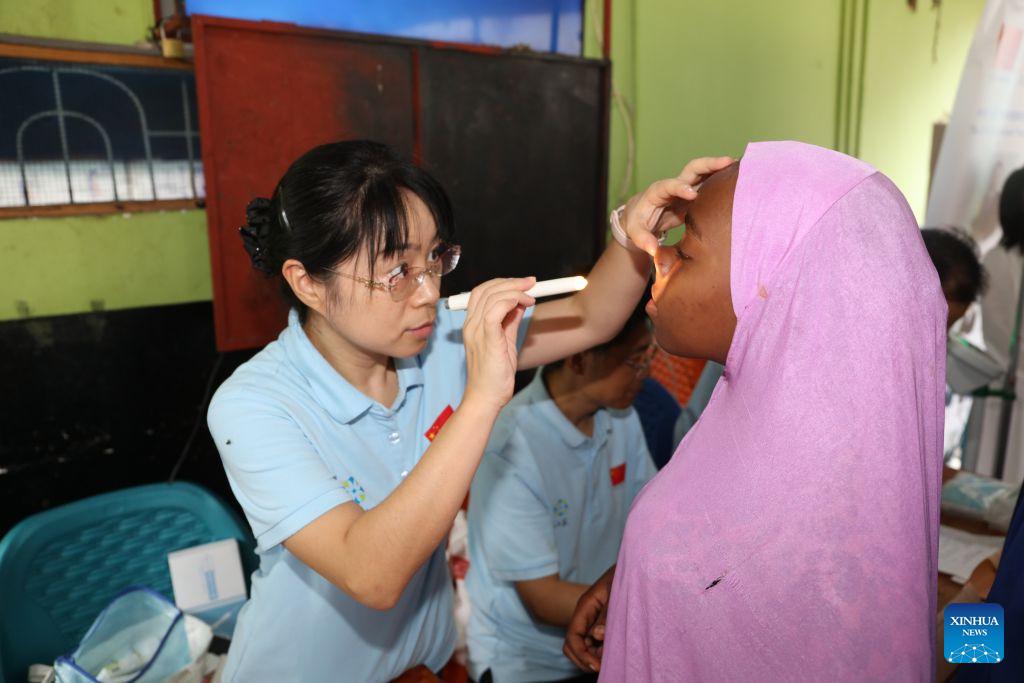
It is easy to look at broad healthcare initiatives and lose sight of the individual impact, but the recent outreach by the 35th Chinese medical team at the Kidundo Community Orphanage in Zanzibar serves as a powerful reminder of why boots-on-the-ground action is essential. By providing direct medical screenings for over 80 children, this initiative addresses a critical service gap in a region where specialized care—like ophthalmology or otolaryngology—is often geographically and financially out of reach for vulnerable populations. When you consider that these children are living in institutional care with limited access to consistent primary healthcare, an event like this isn't just a charitable gesture; it is a vital intervention that can change the trajectory of their long-term health outcomes.
The operational scale of this mission, falling under the "100 Medical Teams in 1,000 Villages" program, highlights a sophisticated approach to international medical cooperation. It is not just about a single afternoon of check-ups; it is about capacity building. By conducting comprehensive assessments covering everything from nutritional status to skin health, the team is gathering baseline health data that is crucial for effective resource allocation. Furthermore, the focus on preventive education, such as the seven-step handwashing technique and malaria-prevention protocols, directly addresses high-risk areas in local sanitation and disease control. Even a 10% to 15% improvement in basic hygiene compliance can lead to a significant reduction in the incidence of common respiratory and dermatological infections, which significantly lowers the future burden on the local healthcare budget.
From a strategic perspective, these kinds of engagements are building essential networks between international practitioners and local community directors, like Hamad Abdallah, who are often operating with highly constrained budgets. When you analyze the efficiency of this model, it is clear that integrating medical expertise directly into the community infrastructure is more cost-effective than relying on sporadic, emergency-based hospital visits. As reported by sources like People's Daily, this type of sustained medical diplomacy is essential for fostering stability and welfare. The long-term success of these programs will likely be measured by a decrease in chronic condition prevalence rates and an increase in the early detection of developmental health issues, which can save thousands of dollars in downstream medical costs per child. Moving forward, the key to scaling this will be maintaining that 100% commitment to consistent follow-ups and ensuring that the logistical supply chain for these donated daily necessities and medical supplies remains robust and reliable.
News source: https://peoplesdaily.pdnews.cn/world/er/30052431496?recommd=1&traceId=selfhold&traceInfo=1&sceneId=
Çeviriniz 60 saniyede fiyatlanır, aynı gün kapınızda.
Noter tasdik, apostil ve konsolosluk onayı tek platformda. 81 dilde, 7/24.