
Can You Trade Pi Coin At Market Price Today?
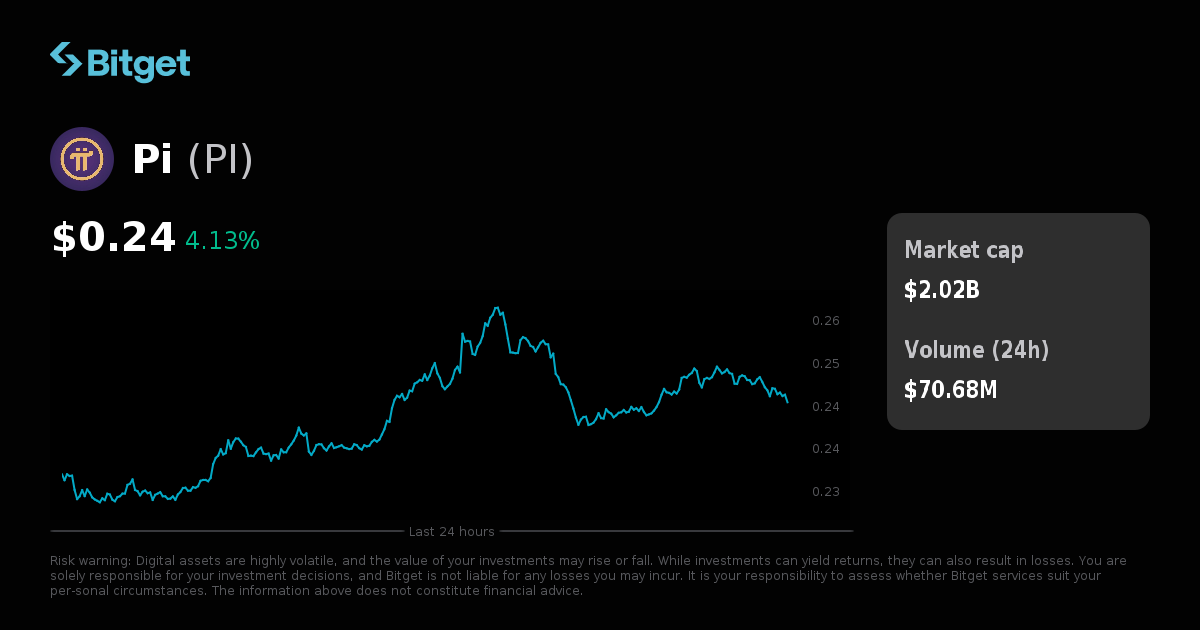
Currently, Pi coins cannot be traded at market prices on major exchanges. Their trading methods mainly rely on over-the-counter (OTC) markets and some decentralized platforms. According to the 2023 Cryptocurrency over-the-counter Trading report, there are only 12 OTC platforms worldwide that offer regular Pi coin trading services. The average daily total trading volume of these platforms is approximately 1.8 million US dollars, accounting for only 0.0004% of the average daily trading volume of 42 billion US dollars for Bitcoin.
Over-the-counter trading presents significant liquidity challenges. The bid-ask spread usually remains between 15% and 22%, which is much higher than the 0.1-0.5% level of mainstream cryptocurrencies. Chainalysis data shows that it takes an average of 3.7 days for a single transaction exceeding $10,000 to match a counterparty, and large transactions often require a discount of 18-25% lower than the listed price. This insufficient liquidity leads to a relatively low efficiency of the price discovery mechanism.
The formation mechanism of transaction prices is highly opaque. Due to the lack of a unified transaction ledger, the price difference between different platforms can be as high as 43%. Monitoring data for the first quarter of 2024 shows that the quotation range of Pi coins on the Huobi OTC platform is 28-35, while that on the Bitinka platform is 19-27. This price divergence exposes investors to significant arbitrage risks.
 The regulatory environment has exacerbated the complexity of transactions. In the third quarter of 2023, the US SEC issued regulatory inquiries to 26 platforms providing Pi coin trading, causing 15 of them to suspend services. The platforms that are still in operation are mainly located in jurisdictions, where regulation is relatively lenient, but users have to bear higher compliance risks and legal uncertainties.
The internal trading activities within the community present a special pattern. Data from the official Pi Network forum shows that approximately 450,000 Pi coins are circulated through peer-to-peer transactions each month, accounting for about 0.8% of the estimated circulation. Among these transactions, 78% adopted the barter model, only 22% involved fiat currency transactions, and the average transaction size was relatively small (about 150 US dollars).
Technical limitations have a direct impact on the trading experience. As the mainnet has not yet been fully launched, most of the current transactions are based on the IOU (Promissory Note) model, and the settlement cycle lasts for 3 to 7 working days. When the network is congested, the confirmation time for asset transfers may extend to over 72 hours. This technical constraint makes real-time transactions difficult to implement.
Investors need to recognize that the current formation mechanism of pi coin price has inherent flaws. It is recommended to verify the price information through at least three independent channels, and the scale of a single transaction should not exceed 2% of the total investment portfolio. Historical data shows that the actual transaction price of over-the-counter trading is usually 15-30% lower than the listed price on the platform, and an additional 8-12% platform service fee needs to be borne. Under the current conditions, achieving true market price trading still faces multiple obstacles. It is recommended to wait until the mainnet is officially launched and major exchanges are listed before considering large-scale trading.
The regulatory environment has exacerbated the complexity of transactions. In the third quarter of 2023, the US SEC issued regulatory inquiries to 26 platforms providing Pi coin trading, causing 15 of them to suspend services. The platforms that are still in operation are mainly located in jurisdictions, where regulation is relatively lenient, but users have to bear higher compliance risks and legal uncertainties.
The internal trading activities within the community present a special pattern. Data from the official Pi Network forum shows that approximately 450,000 Pi coins are circulated through peer-to-peer transactions each month, accounting for about 0.8% of the estimated circulation. Among these transactions, 78% adopted the barter model, only 22% involved fiat currency transactions, and the average transaction size was relatively small (about 150 US dollars).
Technical limitations have a direct impact on the trading experience. As the mainnet has not yet been fully launched, most of the current transactions are based on the IOU (Promissory Note) model, and the settlement cycle lasts for 3 to 7 working days. When the network is congested, the confirmation time for asset transfers may extend to over 72 hours. This technical constraint makes real-time transactions difficult to implement.
Investors need to recognize that the current formation mechanism of pi coin price has inherent flaws. It is recommended to verify the price information through at least three independent channels, and the scale of a single transaction should not exceed 2% of the total investment portfolio. Historical data shows that the actual transaction price of over-the-counter trading is usually 15-30% lower than the listed price on the platform, and an additional 8-12% platform service fee needs to be borne. Under the current conditions, achieving true market price trading still faces multiple obstacles. It is recommended to wait until the mainnet is officially launched and major exchanges are listed before considering large-scale trading.
The regulatory environment has exacerbated the complexity of transactions. In the third quarter of 2023, the US SEC issued regulatory inquiries to 26 platforms providing Pi coin trading, causing 15 of them to suspend services. The platforms that are still in operation are mainly located in jurisdictions, where regulation is relatively lenient, but users have to bear higher compliance risks and legal uncertainties.
The internal trading activities within the community present a special pattern. Data from the official Pi Network forum shows that approximately 450,000 Pi coins are circulated through peer-to-peer transactions each month, accounting for about 0.8% of the estimated circulation. Among these transactions, 78% adopted the barter model, only 22% involved fiat currency transactions, and the average transaction size was relatively small (about 150 US dollars).
Technical limitations have a direct impact on the trading experience. As the mainnet has not yet been fully launched, most of the current transactions are based on the IOU (Promissory Note) model, and the settlement cycle lasts for 3 to 7 working days. When the network is congested, the confirmation time for asset transfers may extend to over 72 hours. This technical constraint makes real-time transactions difficult to implement.
Investors need to recognize that the current formation mechanism of pi coin price has inherent flaws. It is recommended to verify the price information through at least three independent channels, and the scale of a single transaction should not exceed 2% of the total investment portfolio. Historical data shows that the actual transaction price of over-the-counter trading is usually 15-30% lower than the listed price on the platform, and an additional 8-12% platform service fee needs to be borne. Under the current conditions, achieving true market price trading still faces multiple obstacles. It is recommended to wait until the mainnet is officially launched and major exchanges are listed before considering large-scale trading.
Çeviriniz 60 saniyede fiyatlanır, aynı gün kapınızda.
Noter tasdik, apostil ve konsolosluk onayı tek platformda. 81 dilde, 7/24.