
ESS Quality Checklist: BMS, Thermal Control, IP Rating and Warranty
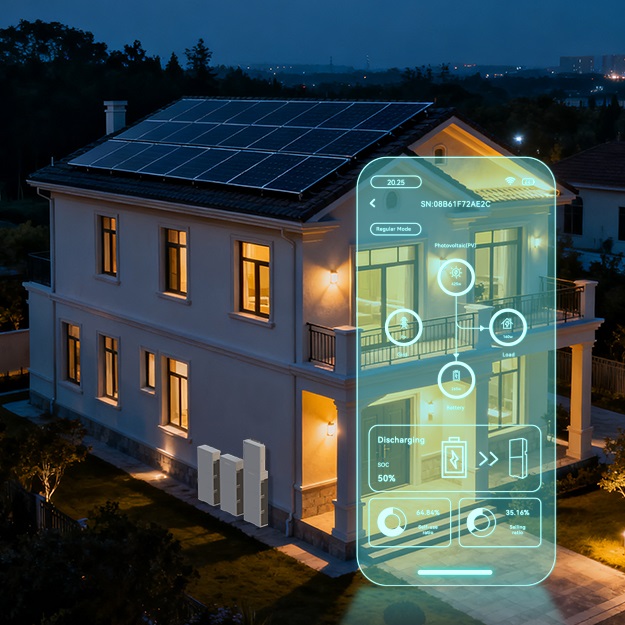
ESS quality can be evaluated through four measurable areas: BMS accuracy, thermal management performance, enclosure protection, and warranty conditions. A qualified ESS should maintain cell voltage differences within about 20–30 mV, control battery temperature variation below 3–5°C in large systems, provide at least IP54–IP65 protection for outdoor use, and offer 10-year performance warranties with 70–80% remaining capacity guarantees. These indicators help compare systems based on engineering performance rather than only rated capacity.
Battery management system (BMS) inspection should start with measurement accuracy, protection functions, and communication capability. The BMS controls charging, discharging, cell balancing, and safety responses. In lithium iron phosphate ESS applications, small differences between individual cells can accumulate over thousands of cycles. A 100 kWh battery pack operating at 90% depth of discharge may complete more than 6,000 cycles, but poor balancing can reduce available capacity because some cells reach voltage limits earlier than others.
A complete BMS quality checklist usually includes:
| Inspection Item | Recommended Range or Requirement |
|---|---|
| Cell voltage monitoring | Individual cell monitoring |
| SOC accuracy | Around ±5% |
| SOH calculation | Capacity degradation evaluation |
| Temperature monitoring | Multiple sensor points |
| Current measurement accuracy | High precision shunt or sensor system |
| Communication | CAN, RS485, Ethernet, Modbus |
Modern ESS products normally collect thousands of data points every day. A commercial battery system installed in 2024 may record cell voltage, temperature, charging rate, and alarm information every few seconds. These records allow operators to identify abnormal temperature increases or unusual charging patterns before the system performance declines.
A BMS should not only display battery status; it should control charging limits, balance cells, and communicate with external energy management platforms.
Cell balancing is one of the main BMS functions. Passive balancing commonly works with small current levels, while active balancing can transfer energy between cells. For large battery systems above 500 kWh, active balancing designs are increasingly used because they can improve energy consistency among modules. Maintaining cell voltage differences below 30 mV during normal operation is a common engineering target.
The BMS performance also depends on communication compatibility. Commercial ESS projects often connect batteries with photovoltaic inverters, energy management systems, and grid control equipment. Protocols such as CAN and Modbus are widely used because they allow real-time information exchange. A system without reliable communication may not provide accurate operating information during long-term use.
Because battery performance changes with temperature, thermal control must be evaluated together with BMS design. Lithium-ion batteries usually operate efficiently between 15°C and 35°C. When temperatures remain above 45°C, electrolyte aging increases and capacity retention decreases over time.
Different ESS sizes require different cooling methods:
| Cooling Method | Typical Application | Temperature Control |
|---|---|---|
| Natural cooling | Small residential ESS | Limited heat removal |
| Air cooling | Residential and small commercial systems | Simple structure |
| Liquid cooling | Large commercial ESS | Better temperature uniformity |
| Hybrid cooling | Utility-scale systems | Suitable for high power cycles |
Large containerized ESS products commonly use liquid cooling because battery modules contain hundreds or thousands of cells. If one area remains hotter than another, aging speed becomes uneven. Many systems aim to keep module temperature differences within approximately 3–5°C during high-power operation.
For example, a 2 MWh ESS operating in a hot climate may experience repeated charging and discharging cycles every day. Without proper thermal control, some modules may age faster than others after several years. A well-designed cooling system combines temperature sensors, coolant circulation, insulation materials, and software control.
Temperature management is not only about lowering heat. It is also about keeping every battery module within a similar operating range.
Cold environments require additional thermal functions. Below 0°C, lithium battery charging speed decreases, and charging at very low temperatures can damage battery materials. ESS products designed for cold regions often include heaters and insulation systems to maintain suitable charging temperatures.
After thermal performance, enclosure protection determines whether an ESS can operate reliably in different installation environments. The IP rating defines resistance against dust and water. The first number represents solid particle protection, and the second number represents liquid protection.
Common ESS enclosure ratings include:
| IP Rating | Protection Description | Application |
|---|---|---|
| IP54 | Limited dust protection and water splash resistance | Indoor or covered outdoor areas |
| IP55 | Improved dust and water protection | Commercial outdoor systems |
| IP65 | Dust-tight and water jet protection | Residential outdoor ESS |
| IP67 | Dust-tight and temporary immersion protection | Special environments |
For outdoor installations, IP65 is commonly selected because battery systems may face rain, dust, humidity, and seasonal temperature changes. However, enclosure testing should also include cable sealing, corrosion resistance, ventilation design, and condensation prevention.
Coastal regions require additional material evaluation because salt exposure can accelerate corrosion. Stainless steel components, protective coatings, and sealed connectors are often used in systems installed near marine environments.
The enclosure design also affects maintenance requirements. A well-designed ESS cabinet should allow technicians to inspect modules, replace components, and access communication ports without affecting other battery sections.
Warranty terms provide another important evaluation area because ESS products are expected to operate for many years. Residential energy storage systems commonly include 10-year warranties, while commercial systems may define warranty periods through operating hours, cycle numbers, or energy throughput.
Warranty conditions should include:
| Warranty Item | Common Industry Range |
|---|---|
| Product warranty | 5–10 years |
| Battery performance warranty | Around 10 years |
| Cycle warranty | 4,000–8,000 cycles |
| Remaining capacity | 70–80% after warranty period |
A warranty statement should clearly define operating conditions. For example, a battery guaranteed to retain 70% capacity after 10 years may require operation within a specified temperature range and daily cycle limit. A system used for one cycle per day has different aging conditions compared with a system performing multiple cycles every day.
Manufacturers also provide different warranty structures for residential and commercial applications. Residential ESS products may focus on calendar years, while commercial systems may include energy throughput limits because they operate at higher utilization levels.
Software monitoring has become part of ESS quality evaluation since many systems now include cloud platforms. These platforms display battery status, energy production, historical alarms, and maintenance information. A commercial ESS installed in 2025 may generate millions of operational records during its service period, allowing operators to analyze performance changes over time.
Factory testing before shipment is another required inspection step. A complete ESS factory acceptance process usually includes:
-
Battery capacity testing
-
Insulation resistance testing
-
High-voltage safety testing
-
Charge and discharge verification
-
Communication testing
-
Cooling system inspection
-
Emergency shutdown testing
For large-scale ESS containers, manufacturers may check hundreds of electrical and mechanical parameters before delivery. These tests confirm that battery modules, inverters, thermal systems, and protection devices work together correctly.
Safety certification requirements vary by market. International ESS projects commonly reference standards from organizations such as UL Solutions and International Electrotechnical Commission. Standards may cover battery safety, electrical protection, fire prevention, and grid connection requirements.
When selecting an ESS supplier, buyers can review the following checklist:
| Category | Evaluation Questions |
|---|---|
| BMS | Does the system monitor each cell and provide accurate SOC/SOH data? |
| Thermal control | Can temperature differences remain within acceptable limits? |
| IP rating | Is the enclosure suitable for outdoor installation? |
| Warranty | Are capacity and cycle conditions clearly stated? |
| Testing | Are factory test reports available? |
| Monitoring | Can operators view system status remotely? |
Suppliers such as ESYsunhome official website provide residential and energy storage solutions with product information for users comparing ESS specifications. More details can be found through the manufacturer page: ESYsunhome official website.
A complete ESS evaluation requires checking hardware design, operating conditions, and long-term service terms together. Battery cells provide stored energy, while the BMS manages operation, thermal systems maintain suitable temperatures, IP protection supports environmental durability, and warranty conditions define expected service performance over years of use.
Çeviriniz 60 saniyede fiyatlanır, aynı gün kapınızda.
Noter tasdik, apostil ve konsolosluk onayı tek platformda. 81 dilde, 7/24.